
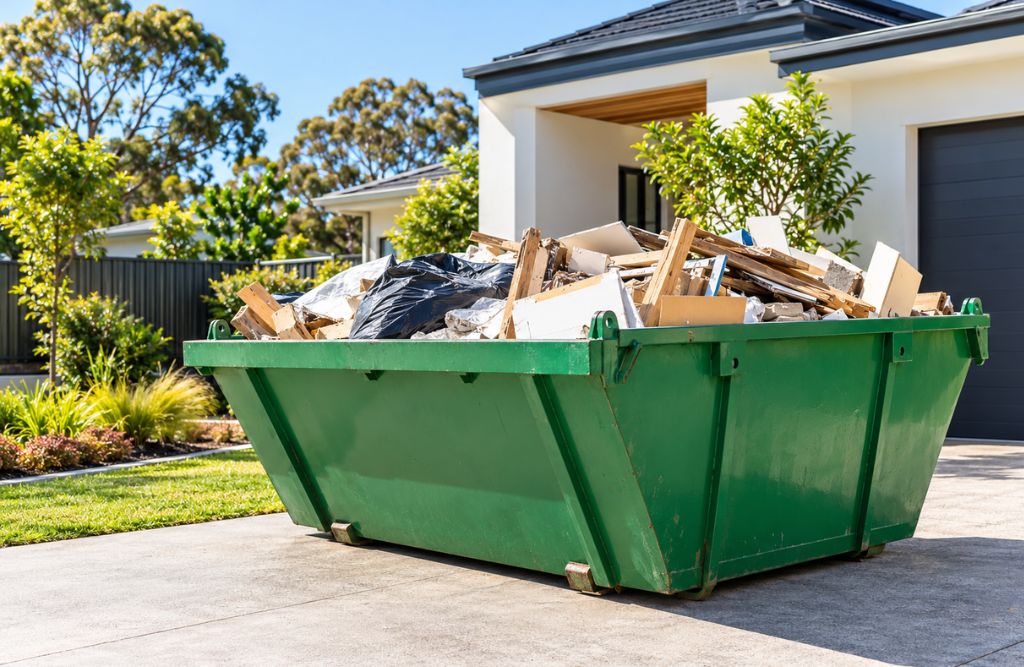
Whether you are renovating your home, clearing out a garden, managing a construction project, or preparing a commercial property for its next stage, waste removal is an important part of the process. Without a proper disposal plan, unwanted materials can quickly pile up, making your workspace cluttered and difficult to manage.
Hiring a skip bin is a practical way to collect and dispose of waste efficiently. However, with different bin sizes, pricing structures, and waste disposal requirements to consider, choosing the right provider can take some research. The best option should suit your project, budget, and schedule while making waste management straightforward.
If you are planning a clean-up or renovation, understanding what to look for in a bin hire Bayswater service can help you make an informed decision.
1. Understand Your Waste Removal Requirements
Before contacting a bin hire company, consider the type and quantity of waste your project will generate. A small household clean-up will have different requirements from a major renovation or commercial construction project.
For example, a garage clean-out may involve old furniture, cardboard boxes, general household rubbish, and unwanted belongings. A landscaping project could produce soil, branches, leaves, and other green waste. Building work may generate timber, plasterboard, bricks, concrete, and packaging materials.
Identifying your waste type helps you select a suitable bin and understand any disposal restrictions. Some providers offer bins for general waste, green waste, clean fill, and construction materials, while others have specific rules about mixed loads.
Make a rough list of the materials you need to remove before requesting a quote. This simple step can prevent unexpected costs and help the provider recommend an appropriate solution.
2. Choose the Right Skip Bin Size
Selecting the correct bin size is one of the most important decisions when arranging waste removal. A bin that is too small may require an additional hire, while an unnecessarily large bin could increase your overall expenses.
Bin capacities are commonly measured in cubic metres. Available sizes vary by provider, but smaller bins are generally suitable for minor clean-ups, medium-sized options work well for household projects, and larger bins are often used for substantial renovations or construction work.
When estimating the volume of waste, consider both the amount of material and how much space bulky items occupy. Furniture, timber offcuts, and packaging may take up more room than expected.
If you are unsure which size to choose, explain your project to the provider and ask for a recommendation. An experienced team can help you select a bin that accommodates your waste without paying for unnecessary capacity.
3. Compare Pricing and Understand What Is Included
Price is an important consideration, but the cheapest quote is not always the best value. Different companies may include different services in their advertised rates, so comparing the full cost is essential.
When requesting a quote, ask whether the price includes delivery, collection, a standard hire period, and disposal fees. You should also clarify whether weight limits apply and whether additional charges may arise if your waste exceeds the permitted weight.
Other potential costs can include extended hire periods, prohibited materials, overweight loads, and delivery or collection difficulties.
Request a clear breakdown of charges before confirming your booking. A transparent provider should explain its pricing structure and answer questions about additional fees.
Comparing two or three quotes can help you understand the local market and identify a service that balances affordability, convenience, and reliability.
4. Check Which Waste Materials Are Accepted
Not all skip bins accept every type of waste. Some materials require separate handling because of recycling requirements, environmental considerations, or safety regulations.
General household rubbish, green waste, timber, bricks, and concrete may be accepted under different conditions. However, paint, chemicals, batteries, asbestos, gas cylinders, and certain electronic items may be prohibited or require specialised disposal arrangements.
Never assume that a material can go into your bin simply because it is no longer useful. Check the provider’s accepted-waste list before loading anything.
Proper waste separation can also make disposal more efficient. If your project produces substantial quantities of recyclable materials, ask whether separate bins or dedicated recycling options are available.
Choosing a company that clearly explains its waste policies can help you avoid rejected loads, additional fees, and unnecessary delays.
5. Confirm Delivery and Collection Flexibility
Timing matters, particularly when waste removal is part of a renovation, landscaping project, or construction schedule. A delayed delivery can interrupt work, while a missed collection may leave a full bin occupying valuable space.
Before booking, confirm the available delivery dates, collection arrangements, and standard hire period. If your project has a fixed deadline, make sure the provider can accommodate your schedule.
It is also useful to understand how extensions are handled if the project takes longer than expected. Ask whether you can arrange an earlier collection once the bin is full or extend the hire period when necessary.
A reliable bin hire Bayswater provider should communicate clearly about booking arrangements and explain what to do if your requirements change.
Good scheduling helps keep your site organised and reduces the risk of waste interfering with daily activities.
6. Consider Access and Bin Placement
Before delivery, think carefully about where the bin will be placed. The location should be accessible for the delivery vehicle and convenient for the people loading waste.
A driveway or private property may be suitable, depending on the available space and access conditions. Check for low branches, overhead wires, narrow entrances, parked vehicles, and other potential obstructions.
The ground should also be stable enough to support the bin and delivery vehicle. Avoid choosing a location that blocks essential access or creates unnecessary safety risks.
If you intend to place the bin on a public road, footpath, or another public area, check with the relevant local council or authority about permit requirements. Rules can vary according to the location and placement conditions.
Discuss your proposed placement with the provider before delivery. Clear instructions and a suitable location can help prevent access issues and make the drop-off process smoother.
7. Look for Reliable Customer Service
Good customer service can make a noticeable difference, especially if you are hiring a skip bin for the first time.
Look for a provider that responds promptly, explains its services clearly, and offers practical advice about bin sizes, waste types, and booking arrangements. The company should also be willing to clarify its terms rather than leaving you to guess what is included.
Online reviews can provide additional insight into customer experiences. Look for recurring comments about punctual deliveries, collection reliability, pricing transparency, and communication.
One negative review does not necessarily indicate poor service, but repeated complaints about the same issue may be worth considering.
Choosing a responsive provider gives you a clear point of contact if you need to adjust your booking or resolve an unexpected problem.
8. Consider Environmental Responsibility
Responsible waste disposal is another factor worth considering when selecting a bin hire company. Waste from household clean-ups, renovation projects, and commercial sites can include materials that may be reused or recycled rather than sent directly to landfill.
Ask the provider how collected waste is handled and whether suitable materials are separated for recycling. Depending on the waste type and local facilities, materials such as metals, concrete, timber, and green waste may have recycling or recovery options.
You can also contribute by keeping prohibited materials out of the bin and separating waste when appropriate.
A thoughtful approach to waste management can reduce unnecessary disposal and support better environmental practices. It may also make your clean-up more organised from the beginning.
9. Book in Advance and Confirm the Details
Once you have compared providers and selected a suitable bin, confirm the booking details in writing.
Check the delivery address, bin size, accepted waste types, delivery date, collection arrangements, hire period, and agreed price. Keep the provider’s contact details available in case your plans change.
Booking ahead is particularly helpful during busy renovation periods or when you need the bin on a specific date. However, availability varies, so confirm the arrangements directly rather than assuming a particular slot will be open.
If you are organising a larger project, estimate when the bin will be filled and discuss whether one delivery will be sufficient. Planning for waste removal alongside other project tasks can prevent unnecessary interruptions.
A little preparation before booking can save time and help you avoid confusion later.
10. Why Choosing the Right Local Bin Hire Service Matters
Working with a suitable local provider can simplify waste removal by making delivery, collection, and communication easier to coordinate. Local knowledge may also be useful when discussing access conditions, disposal requirements, and placement considerations.
When comparing options, focus on the overall service rather than price alone. The right provider should offer an appropriate range of bin sizes, clear pricing, suitable waste disposal options, and dependable scheduling.
Whether you are clearing a property, improving your garden, or managing building work, a well-planned waste removal arrangement helps keep your project cleaner and more manageable.
For homeowners and contractors researching bin hire Bayswater, comparing these practical factors is a useful starting point for finding a service that fits the job.
Conclusion
Choosing the best bin hire service involves more than selecting a bin and arranging delivery. You need to consider the type of waste, required capacity, total cost, collection schedule, access conditions, and disposal rules.
Start by assessing your project, then compare quotes and clarify the provider’s terms before booking. Check accepted materials, plan where the bin will be placed, and allow enough time for delivery and collection.
Taking these steps can make waste management easier, reduce unexpected expenses, and help your home improvement or construction project stay organised.
If you are comparing local options, use these criteria to evaluate a bin hire Bayswater service and choose an arrangement that suits your project requirements and budget.
Frequently Asked Questions
What size skip bin do I need for a home renovation?
The appropriate size depends on the scale of the renovation and the materials being removed. Small updates may require a smaller bin, while full-room renovations or major building work may need greater capacity. Describe your project to the provider for advice.
What can I put in a skip bin?
Accepted materials depend on the bin type and the company’s disposal rules. General rubbish, green waste, timber, and construction materials may be accepted under different conditions. Always check restrictions before loading hazardous or specialized waste.
How much does bin hire in Bayswater cost?
The cost depends on the bin size, waste type, hire period, weight limits, and provider’s pricing structure. Request a detailed quote to understand the total cost and any possible additional charges.
Do I need a permit to place a skip bin on the road?
A permit may be required when placing a bin on a public road or other public land. Requirements depend on the local council and placement conditions. Confirm the applicable rules before arranging delivery.
How long can I keep a skip bin?
The standard hire period varies between providers. Ask how long the quoted rate covers, whether extensions are available, and what additional charges apply if you need the bin for longer.