
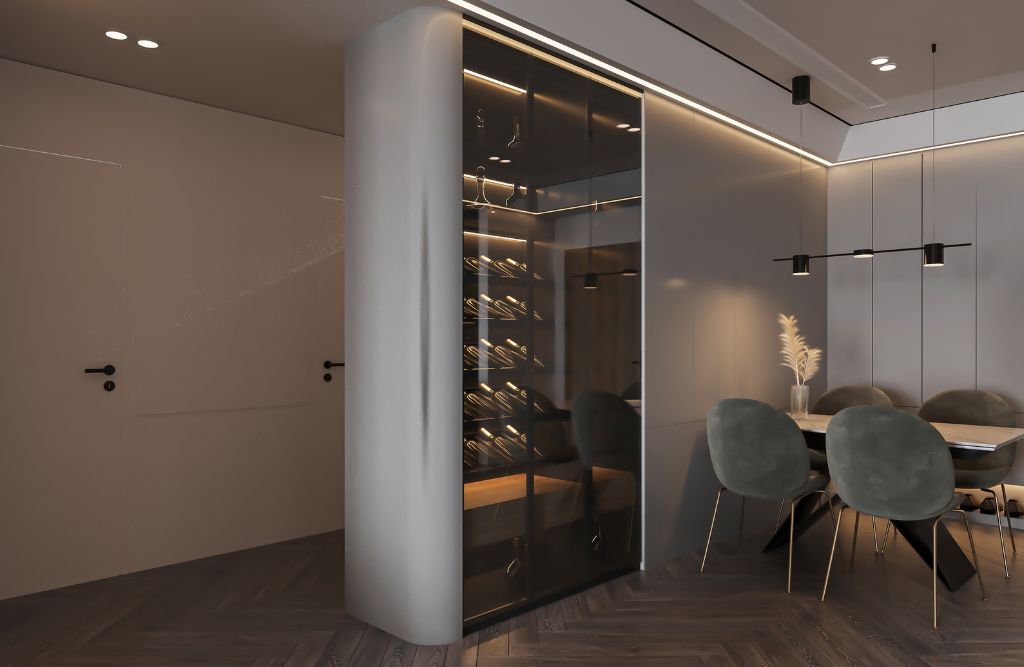
Have an empty corner, an awkward hallway recess, or a space under the stairs that you haven’t quite figured out how to use? It might be the perfect place for something a little more interesting than another storage closet.
A thoughtfully designed wine room can turn an overlooked part of your home into a beautiful architectural feature. And with the right planning, home wine cellars in Houston, Texas, can do much more than hold bottles. They can become part of your living space, reflecting your taste while keeping your collection properly stored. Here’s how.
Key Considerations for Designing and Building a Custom Wine Cellar
-
Start With the Space You Already Have
You don’t necessarily need a spare room to build a wine cellar. Sometimes, the best location is hiding in plain sight.
Consider these possibilities:
-
- Living room corners: An unused wall can accommodate a glass-fronted wine display without taking over the room.
- Under-stair spaces: These often-overlooked areas can become compact wine storage zones with carefully planned shelving.
- Hallways and transitional spaces: A built-in enclosure can turn an otherwise ordinary passage into an interesting design feature.
- Unused closets: With suitable insulation and cooling, an existing closet can be converted into a dedicated wine storage space.
Most importantly, before settling on a location, you need to assess:
- Available dimensions
- Nearby heat sources
- Sunlight exposure
- Access to electrical connections
-
Personalized Custom Wine Cellar Design: Make Glass the Star
Glass enclosures are particularly appealing when you want your wine collection to remain visible without making the room feel closed off.
Take the recent Wine Cellars of Houston installation, for example. Its dark metallic framing creates a strong contrast against the white surroundings, while multiple glass panels offer an uninterrupted view of the bottles inside.
This approach works beautifully in contemporary homes. You can create a display that suits your collection by exploring horizontal, label-forward, or floating luxury wine racks.
However, appearance isn’t everything. For proper wine preservation, consider insulated, UV-protected glass and tightly sealed doors. Wine Cellars of Houston also highlights tempered glass, insulated panels, and carefully engineered framing.
-
Bespoke Wine Room Interiors: Get the Details Right
Your wine room should feel like it belongs in your home, not like an appliance that was squeezed into an available corner.
Think about how its materials will complement your existing interiors. For instance:
- Black metal framing pairs well with modern furniture and minimalist interiors.
- A wrought iron wine rack can introduce traditional character into a contemporary setting.
- Wooden shelving adds warmth and creates an interesting contrast with glass.
- Matching custom wine cellar doors to surrounding finishes helps the enclosure feel integrated.
You can also consider wrought iron wine cellar doors in Houston, Spring or Cypress if you prefer decorative detailing and a more traditional entrance. The goal is to create a balance between the wine display and the rest of your room.
Custom Wine Rack Installation: Beyond the Appearance
So, quick reminder: wine storage isn’t ordinary cabinetry.
According to Purdue University’s wine storage guidelines, traditional cellar temperatures generally fall between. Temperature stability matters because excessive neatness can accelerate wine aging.
Before installation, consider:
- Temperature: Plan for a dedicated wine cooling system rather than relying on your home’s regular air conditioning.
- Humidity: Maintain appropriate humidity to protect natural corks from drying out.
- Lighting: Choose low-heat LED lighting and protect bottles from direct sunlight.
- Insulation: Proper insulation and vapor barriers help prevent condensation.
- Structural support: Glass panels, framing, and fully loaded wine racks need adequate support.
Residential Wine Storage Solutions That Grow With Your Collection
Don’t plan your wine room around the number of bottles you own today. Think about what your collection might look like a few years from now.
Combining display shelving and practical storage gives you room to grow. You can keep your favorite bottles at eye level while storing additional selections in less prominent sections.
Also consider how easily you can access bottles, clean the enclosure, and maintain the cooling equipment. A beautiful cellar should be enjoyable to use, not difficult to manage.
Pay Attention to Wine Cellar Craftsmanship and Detailing
The finishing touches often determine whether a wine room looks professionally integrated or simply installed.
Look closely at door alignment, glass joints, frame finishes, shelving measurements, and lighting placement. Even small gaps around doors can affect temperature control.
A well-planned installation brings together design, material selection, cooling requirements, and precise fitting. These details matter just as much as the overall appearance.
You don’t need an enormous basement or a dedicated wine room to enjoy well-designed wine storage. Sometimes, one thoughtfully planned enclosure is enough to change how an entire living space feels!
FAQs
Do I need a vapor barrier when building a custom wine cellar in my home?
To keep external moisture and humidity out, a vapor barrier is required on the cellar wall and ceiling’s warm side. No cooling or climate-control system can reliably maintain the precise environment without insulation. It’s important to properly seal your wine room with the help of expert wine cellar builders, such as Wine Cellars of Houston.
Can glass walls and doors be used effectively in a custom wine cellar?
Glass enclosures create stunning modern displays, but they require specialized dual-pane or triple-pane insulated glass and heavy-duty weather stripping. These features prevent condensation buildup, maintain airtight thermal seals, and protect your valuable collection from heat transfer and harmful UV exposure.
What is the ideal temperature and humidity level for a custom wine cellar?
Maintain your cellar at a stable temperature between 55°F and 59°F with a relative humidity level hovering around 60%. Environmental consistency is far more critical for graceful aging than hitting an exact number, as rapid fluctuations can cause natural corks to expand and contract, risking oxidation.