
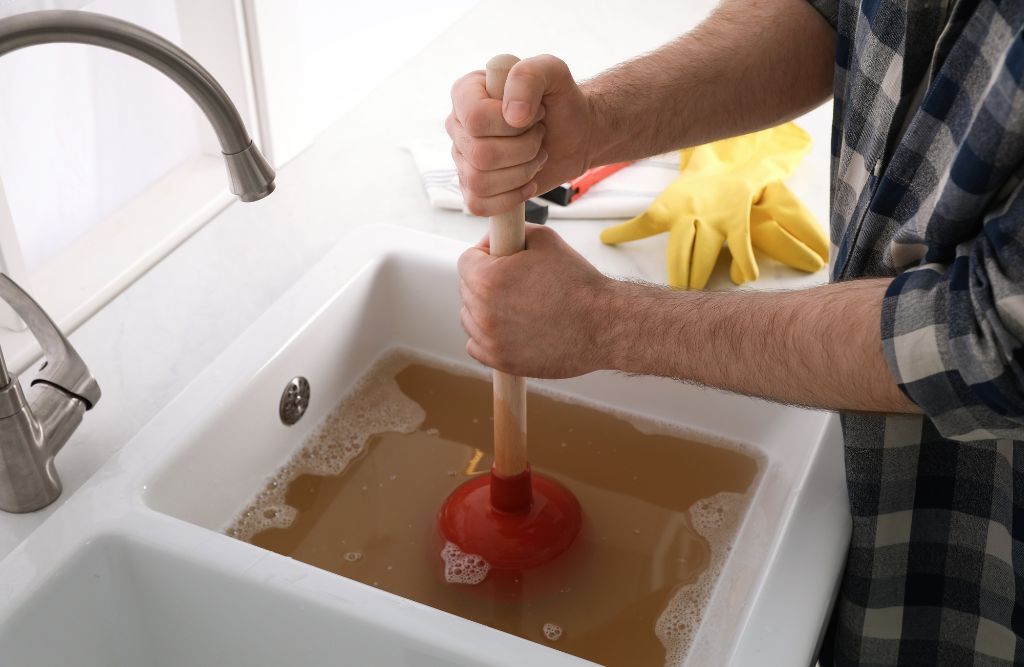
A blocked drain can quickly turn a normal day into a frustrating experience. Water that refuses to drain from the kitchen sink, unpleasant smells coming from the bathroom, or a toilet that keeps backing up can disrupt your household routine. While some blockages develop gradually, others appear suddenly and may indicate a more serious drainage problem.
For homeowners in Greenwood, Western Australia, understanding the common causes of blocked drains can help prevent recurring issues and avoid unnecessary damage. Knowing which problems you can safely address yourself and when to call a professional is equally important.
This guide explains how to recognize a blocked drain, what commonly causes blockages, which solutions are appropriate for minor problems, and how to keep your home’s drainage system working properly.
Common Signs of a Blocked Drain
Drainage problems often provide warning signs before a complete blockage develops. Recognizing these symptoms early can help you respond before the situation becomes more disruptive.
Slow-Draining Sinks and Showers
If water collects around the kitchen sink or takes longer than usual to disappear from the shower, an obstruction may be restricting the flow. Hair, soap residue, food scraps, and grease are common causes.
A single slow-draining fixture may indicate a local blockage. However, if several sinks, showers, or other drains are affected at the same time, the problem may involve a shared drainage pipe.
Unpleasant Drain Odors
Persistent smells coming from a drain can result from accumulated food waste, grease, hair, or other organic material. These substances can collect inside pipes and produce unpleasant odors as they break down.
Occasionally, a smell may be related to a dry plumbing trap or a drainage fault rather than a blockage. If cleaning the accessible drain area does not resolve the problem, further investigation may be necessary.
Gurgling Sounds and Water Backups
Gurgling noises from sinks, toilets, or floor drains can indicate restricted water flow or problems with air movement in the drainage system.
More serious warning signs include water backing up into a shower when a toilet is flushed, several fixtures draining poorly, or wastewater returning through a floor drain.
These symptoms can indicate a blockage further along the drainage system. Stop using affected fixtures and seek professional assistance if wastewater is backing up.
What Causes Blocked Drains in Greenwood Homes?
Understanding the cause of a blockage is important because removing the immediate obstruction will not always prevent the problem from returning.
1. Grease and Food Waste
Kitchen drains can become blocked when cooking oil, grease, and food scraps enter the sink. Although grease may flow down the pipe while warm, it can cool and accumulate along the pipe walls.
Over time, the buildup can trap other debris and restrict drainage.
To reduce the risk, scrape leftover food into the bin, collect cooking oil separately, and use a suitable sink strainer to catch food particles.
2. Hair and Soap Residue
Bathroom drains frequently collect hair, soap residue, and personal care product deposits. These materials can combine to form stubborn obstructions, especially around shower and basin outlets.
A removable drain cover can catch much of the hair before it enters the pipe. Cleaning the cover regularly is a simple way to reduce buildup.
3. Tree Roots and Damaged Pipes
Tree roots can enter underground drainage pipes through existing cracks, loose joints, or damaged sections. Once inside, they may grow and restrict the movement of wastewater.
Other problems, such as displaced pipe joints, corrosion in susceptible materials, or ground movement, can also affect drainage.
If a blockage repeatedly returns despite being cleared, the issue may be deeper than household debris. A professional inspection can help determine whether the pipes need further cleaning or repair.
4. Foreign Objects and Excessive Waste
Wet wipes, sanitary products, paper towels, and other unsuitable items can obstruct toilets and drainage pipes. Products labelled as flushable may also contribute to blockages.
The safest approach is to flush only human waste and toilet paper. Dispose of wipes and personal care products in the rubbish instead.
How to Deal With a Minor Blocked Drain Safely
Not every slow drain requires specialist equipment. If the problem is limited to one fixture and there is no wastewater backup, a few basic steps may help.
Step 1: Stop adding water. If the sink or shower is filling up, stop running the tap to prevent overflow.
Step 2: Remove visible debris. If it is safe, clean the accessible drain cover and remove visible hair or food residue. Avoid reaching deep into the pipe.
Step 3: Try a suitable plunger. For a minor blockage in a sink, a plunger may help loosen the obstruction. Follow the product instructions and ensure the plunger is suitable for the fixture.
Step 4: Check the result. Once the obstruction appears to have cleared, run a small amount of water and observe whether it drains normally. Stop if the water begins backing up again.
Step 5: Seek professional help if needed. If the blockage remains, returns quickly, or affects multiple fixtures, arrange a professional assessment rather than repeatedly attempting the same fix.
Avoid mixing drain-cleaning chemicals or combining them with other cleaning products. Chemical cleaners can cause burns, release dangerous fumes, and create hazards for anyone who later works on the pipe. If a chemical product has already been used, tell the plumber before they begin work.
When Should You Call a Professional for Blocked Drains in Greenwood?
DIY methods are not suitable for every drainage problem. Professional assistance is advisable when the blockage is persistent, difficult to access, or likely to involve the main drainage system.
Consider arranging an inspection if you notice:
- Multiple drains becoming slow or blocked simultaneously.
- Wastewater backing up into a sink, shower, or floor drain.
- Repeated toilet blockages without an obvious cause.
- Persistent drain odours that do not disappear after basic cleaning.
- Gurgling sounds accompanied by poor drainage.
- Signs of a leaking or damaged underground pipe.
If sewage is backing up, stop using affected plumbing fixtures and keep children and pets away from the contaminated area. Avoid direct contact with wastewater and arrange urgent professional assistance.
When comparing local services, researching Blocked Drains Greenwood can help you find providers offering drain-clearing and inspection services in the area.
How Professionals Identify and Clear Drain Blockages
A professional drain-clearing visit usually begins with an assessment of the symptoms, the affected fixtures, and the likely location of the obstruction.
Depending on the situation, the plumber may use suitable drain-clearing tools to remove accumulated debris. More complicated or recurring problems may require a CCTV drain inspection, which allows the inside of an accessible pipe to be examined using a specialized camera.
High-pressure water jetting may also be appropriate for certain types of blockage. The correct method depends on the pipe’s condition, the nature of the obstruction, and the equipment required.
If the inspection identifies cracked pipes, root intrusion, or displaced joints, simply clearing the drain may not provide a lasting solution. The plumber can explain the findings and recommend suitable repairs.
Before work begins, ask what the service includes, whether an inspection is necessary, and whether additional charges may apply if the problem proves more complicated than expected.
How to Prevent Blocked Drains in Your Home
Good drainage habits can reduce the likelihood of everyday blockages and help you notice developing problems sooner.
Maintain Your Kitchen Drains
Avoid pouring grease, cooking oil, and food scraps into the sink. Use a strainer to catch solid waste and clean it regularly.
Wipe greasy cookware with a paper towel before washing it, and dispose of cooking oil appropriately rather than washing it down the drain.
Keep Bathroom Drains Clear
Use suitable drain covers in showers and bathroom basins to catch hair and debris. Clean these covers frequently and avoid allowing soap residue to accumulate around the outlet.
Do not flush wipes, cotton buds, sanitary products, or paper towels down the toilet.
Pay Attention to Outdoor Drainage
Keep accessible outdoor drain grates clear of leaves, garden waste, and other loose debris. Check for signs of pooling water or persistent unpleasant smells around drainage areas.
Avoid digging near underground pipes without knowing their location. If you suspect root intrusion or damaged drainage, ask a qualified professional to investigate.
Respond to Recurring Problems
A drain that repeatedly becomes blocked deserves attention. Recurring problems may indicate a buildup further inside the pipe, root intrusion, damaged pipework, or another underlying issue.
Professional assessment can help identify the cause and reduce the likelihood of repeated call-outs.
How Much Does Blocked Drain Repair Cost?
The cost of clearing a blocked drain depends on the location of the blockage, how difficult it is to access, the equipment required, and whether the pipes need repairs.
A simple obstruction near a sink outlet may be relatively straightforward to remove. A blockage in an underground pipe, a drain affected by tree roots, or a problem requiring CCTV inspection may involve additional time and equipment.
Emergency call-outs outside standard working hours may also cost more.
When requesting a quote, explain which fixtures are affected, how long the problem has been occurring, and whether you have already tried a cleaning product or other method. Ask whether the quoted price includes inspection, clearing, and any recommended follow-up work.
Comparing quotes can help you understand the available options, but make sure you compare the same scope of work rather than price alone.
Frequently Asked Questions
Can I clear a blocked drain myself?
A minor blockage affecting a single sink may respond to removing accessible debris or using a suitable plunger. Persistent blockages, wastewater backups, and problems affecting multiple fixtures should be assessed by a professional.
Why does my drain keep getting blocked?
Recurring blockages may result from grease and debris buildup, tree roots, damaged pipes, or an obstruction deeper in the drainage system. Identifying the underlying cause is important for preventing the problem from returning.
Are chemical drain cleaners safe to use?
Some products can damage certain plumbing components or cause injuries if handled incorrectly. Never mix drain cleaners with other chemicals, and follow all label instructions. For persistent or severe blockages, professional assessment is generally a safer option.
When is a blocked drain an emergency?
A blockage becomes more urgent when wastewater backs up into the home, several fixtures stop draining, or sewage is present. Stop using affected fixtures and seek prompt professional assistance.
How can I find a blocked drain specialist in Greenwood?
Look for a service provider with relevant qualifications, suitable drain-clearing equipment, clear pricing, and positive customer feedback. Ask whether the service includes diagnosing recurring problems rather than simply removing the immediate obstruction.
Keep Your Greenwood Home’s Drains Flowing
Blocked drains can start with something as simple as hair in a shower outlet or grease in a kitchen pipe. However, persistent blockages, wastewater backups, and problems affecting several fixtures may indicate a more serious drainage issue.
By recognizing early warning signs, disposing of waste properly, and keeping accessible drains clean, homeowners can reduce the risk of many common blockages. When basic measures do not work, professional inspection and appropriate drain-clearing methods can help identify the cause and restore normal flow.
If you are dealing with recurring drainage problems, researching Blocked Drains Greenwood can be a useful starting point for finding local assistance. Compare the services offered, ask for a clear quote, and choose a solution that addresses the underlying problem.
With sensible maintenance and timely repairs, you can help keep your home’s drainage system working properly and avoid unnecessary disruption to your daily routine.