
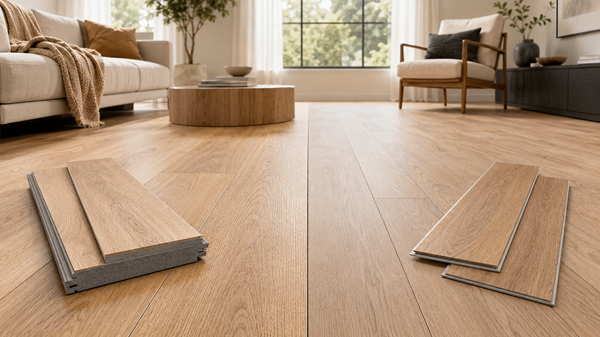
Two flooring samples can look almost identical but feel completely different underfoot. One may have a thicker waterproof core, while the other has a slimmer and firmer construction. Even their prices can vary more than expected.That is where the choice between WPC flooring and LVP becomes confusing. Both offer realistic wood styles, simple cleaning, and strong moisture protection. However, they are not always made the same way.
A reliable flooring store can show you samples, but knowing what to compare makes the visit far more useful. You need to look beneath the printed design. The core, wear layer, padding, and overall thickness affect how the floor performs.
This guide compares WPC and LVP based on comfort, durability, price, maintenance, and room use. By the end, you should have a much clearer idea of which option suits your home.
The Hidden Difference Beneath Similar-Looking Floors
LVP (Luxury Vinyl Plank) is a broad category of vinyl flooring designed to replicate the look of natural hardwood. Most LVP products are built with multiple layers, including a backing, core, printed design layer, and protective wear layer. WPC (Wood Plastic Composite or Waterproof Polymer Core) is one type of LVP that features a rigid waterproof composite core. In other words, all WPC flooring is a type of LVP, but not all LVP flooring is WPC.
How Standard LVP Is Made
Traditional LVP is generally thinner and more flexible than rigid-core flooring. Because of its flexibility, it performs best over a smooth, properly prepared subfloor, as imperfections may become visible over time. Some modern LVP products also use rigid-core technology, offering improved stability, greater dent resistance, and better concealment of minor subfloor irregularities. However, performance varies depending on the manufacturer and product specifications.
When comparing vinyl flooring options, the term “LVP” alone does not tell the full story. It is important to consider the core construction, overall plank thickness, wear layer, installation method, and warranty before making a decision.
Where WPC Fits Into the Picture
WPC flooring is a rigid-core type of luxury vinyl plank. Its composite core is typically thicker, lighter, and slightly softer underfoot than stone-based rigid-core flooring (SPC). While the exact material composition differs between manufacturers, WPC is designed to provide enhanced comfort, improved sound absorption, and excellent dimensional stability. Many products also include an attached underlayment, helping reduce noise and creating a warmer, more cushioned feel.
Although WPC is still a vinyl flooring product, its rigid waterproof composite core is what sets it apart from many standard LVP options, offering a balance of durability, comfort, and everyday practicality for residential and light commercial spaces.
Why the Core Changes How Your Floor Feels
A floor is something you experience every day. You walk across it in bare feet, stand on it while cooking, and hear pets running over it. These details matter after the excitement of choosing a color has passed.WPC generally feels softer and warmer than thin, flexible LVP. Its thicker core can create a more comfortable surface in bedrooms, living rooms, and family spaces. Attached underlayment may also soften the sound of footsteps.
Picture a family room where children regularly play on the floor. A slightly cushioned surface may feel more pleasant than a hard, thin plank. In a quiet upstairs bedroom, better sound control can also be valuable.Standard LVP can still feel comfortable, especially when paired with suitable underlayment. However, not every product allows additional padding. Too much cushioning can strain the locking system, so always follow the manufacturer’s instructions.
The subfloor also affects comfort. Vinyl installed over concrete often feels colder than flooring placed over wood. A sample tested in your actual room will give you better information than one handled inside a bright showroom.
WPC Flooring vs LVP for Water, Wear, and Daily Messes
Water resistance is a major reason people consider vinyl. Spilled drinks, muddy shoes, and pet accidents are easier to manage on vinyl than on many natural wood floors.WPC vinyl plank flooring is usually marketed as waterproof because its core does not easily absorb water. That makes it useful in kitchens, basements, and other moisture-prone spaces.
Still, “waterproof” does not mean the whole room is protected from water damage. Liquid can travel through plank edges, expansion gaps, or damaged seams. It may then become trapped underneath the floor.A leaking dishwasher needs quick attention, regardless of the flooring label. The vinyl might survive, while the subfloor or wall base suffers damage.
Scratches, dents, and busy households
The wear layer protects the printed design from daily traffic. A stronger wear layer generally suits active homes, pets, and busy entryways. Yet thickness alone does not guarantee better performance. The quality of the finish matters too.WPC’s softer core feels comfortable, but it may dent beneath very heavy furniture or narrow furniture legs. Protective pads can spread the weight and reduce pressure marks.
Some rigid LVP products have denser cores that handle heavy objects well. Flexible LVP may resist cracking but can reveal flaws beneath it. These differences show why buyers should compare individual products rather than relying only on category names.No vinyl floor is completely scratch-proof. Grit beneath shoes can act like sandpaper. Regular sweeping and felt pads beneath furniture offer simple, effective protection.
Which Option Makes Sense in Each Room?
Different rooms create different flooring demands. A quiet bedroom does not face the same problems as a busy entrance or a basement.In living rooms and bedrooms, comfort often carries more weight. Waterproof WPC planks can feel warmer and quieter, making them appealing for spaces where people relax or walk barefoot.
Kitchens need moisture resistance, easy cleaning, and protection against dropped objects. Either option may work, but a strong wear layer and reliable locking system deserve close attention. A thick plank with a weak surface coating may still scratch sooner than expected.Basements bring another issue: moisture below the flooring. A waterproof core does not correct a damp concrete slab. Moisture testing may be needed before installation. Existing leaks should also be repaired first.
For entryways, pet areas, and active family rooms, examine scratch resistance and cleaning needs. Standard LVP with a dense core may perform very well in these spaces. WPC may offer better comfort, though heavy furniture could require extra protection.Bathrooms require careful installation around toilets, tubs, and walls. Always confirm that the warranty permits use in full bathrooms. Water-resistant material cannot compensate for poorly sealed edges or plumbing leaks.
The Price Tag Does Not Show the Full Cost
WPC often costs more than entry-level LVP because it has a thicker core and may include attached padding. That higher price can provide extra warmth, sound reduction, and comfort.However, material price is only one part of the project. Subfloor repairs, moisture testing, trim, transitions, delivery, and installation can change the final cost. You should also allow for cutting waste and a small amount of spare flooring.
Flexible LVP may seem cheaper until the subfloor needs extensive smoothing. Meanwhile, a rigid product may bridge minor imperfections, but it cannot safely cover serious dips or damage.Ask a local flooring retailer for the price per square foot and the expected total project cost. Then compare what each product includes. One option may already have an attached pad, while another requires a separate approved underlayment.Long-term value matters as well. Paying slightly more for a suitable floor may save you from early replacement. On the other hand, there is little reason to buy premium WPC for a lightly used room if a dependable LVP product meets every need.
Buying Mistakes That Can Lead to Regret
A beautiful sample can make the decision feel easy. Unfortunately, appearance says little about how a floor will behave after years of shoes, spills, sunlight, and furniture movement.
Choosing by color alone
Color matters, but construction matters more. Two oak-look planks may use different cores, locking systems, finishes, and wear layers.Take samples home if possible. View them during the morning, afternoon, and evening. Warm indoor bulbs can make grey flooring appear brown, while bright daylight may reveal undertones you missed.
Assuming thicker always means stronger
A thick WPC plank can feel comfortable without being the most dent-resistant choice. A thinner product with a dense core may handle heavy furniture better.Compare the entire construction. Look at the wear layer, finish, core density, edge design, and warranty conditions.
Treating “waterproof” as a promise against every leak
The plank itself may resist water, but the room still has vulnerable areas. Moisture can reach the subfloor through edges and openings.Clean spills promptly. Repair leaks quickly. Proper preparation remains necessary even when using composite-core vinyl planks.
Ignoring warranty exclusions
Warranties often contain rules about room temperature, moisture levels, installation, and approved cleaning products. They may also distinguish between residential and commercial use.Read those details early. A long warranty sounds reassuring, but the coverage matters more than the number printed on the box.
A Simple Way to Make the Right Choice
Start with the room rather than the product. Think about moisture, foot traffic, direct sunlight, heavy furniture, pets, and the condition of the subfloor.WPC may suit you if comfort, warmth, and quieter footsteps are high priorities. It works especially well in bedrooms, family rooms, and other areas where a cushioned feel adds value.Standard LVP can be a smart fit when you want a slimmer profile, firm surface, or lower material cost. Certain rigid-core LVP products also offer excellent dent resistance for active rooms.
At a vinyl flooring showroom, ask these questions:
- What material is used in the core?
- How thick is the wear layer?
- Does the plank include attached padding?
- Is it approved for the room where it will be used?
- What subfloor preparation is required?
- What does the warranty exclude?
- Can heavy furniture leave permanent dents?
- Is professional installation required for warranty coverage?
Sam’s Flooring supplies flooring materials to homeowners who want to compare styles and construction options. Looking at samples side by side can make differences in thickness, texture, and core structure easier to understand.
Final Verdict:
WPC and LVP can both provide attractive, low-maintenance flooring. The better choice depends on what happens in your room every day.Choose WPC when softness, warmth, and noise control matter most. Consider standard or rigid-core LVP when you prefer a firmer surface, slimmer profile, or more budget flexibility.Do not decide based on the label alone. Compare the core, wear layer, locking system, warranty, and installation needs. A floor that suits your household will usually offer better value than one chosen only because it looks good on a display board.