
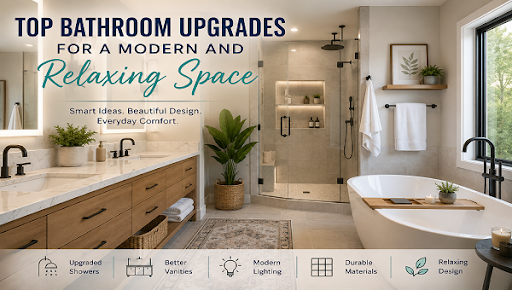
A bathroom should offer more than a place to complete a daily routine. It should feel calm, comfortable, organized, and easy to use. However, an old layout, poor lighting, limited storage, or worn materials can make the room feel stressful. With professional guidance from VCT Kitchen And Bath, you can choose practical upgrades that improve your comfort while creating a fresh and modern design. For homeowners in Columbia, Maryland, a bathroom renovation can also solve common problems such as cramped showers, crowded countertops, weak ventilation, and hard-to-clean surfaces. Although design trends can provide useful inspiration, the best upgrades should match your room size, lifestyle, budget, and long-term needs. You do not always need to change every feature at once. Instead, you can focus on the areas that have the greatest effect on daily life. A larger shower, improved lighting, better storage, durable flooring, and a comfortable vanity can completely change how the room looks and functions.
Why Thoughtful Bathroom Upgrades Matter
A successful bathroom remodel should improve both appearance and usability. For example, a beautiful shower may look impressive, but it should also provide safe entry, useful storage, and proper drainage. Likewise, a stylish vanity should offer enough counter space and storage for the people who use it. When you explore professional Bathroom Remodeling Services, you can develop one complete plan for the room. Instead of choosing unrelated fixtures and finishes, you can connect the shower, vanity, lighting, flooring, and storage through a consistent design. As a result, the bathroom feels balanced rather than crowded or unfinished. Careful planning can also prevent expensive changes during construction. Therefore, you should confirm the layout, material choices, plumbing locations, electrical needs, and storage features before work begins. This approach keeps the project organized and helps each part of the room work together.
Key Takeaways
- Focus on the shower, vanity, lighting, flooring, and storage because these areas have the greatest effect on comfort and function.
- Choose moisture-resistant, durable, and easy-to-clean materials instead of selecting products based only on appearance.
- Create one complete remodeling plan before construction begins so every fixture and finish fits the space correctly.
Turn the Shower Into a Comfortable Retreat
A larger walk-in shower can make the bathroom feel more open and relaxing. Moreover, it can improve movement and make the space easier to use for people of different ages. Frameless glass is especially useful because it allows light to move through the room instead of dividing the space with a heavy frame. You can also improve comfort with a rainfall showerhead and a handheld shower wand. While the rainfall fixture creates a gentle experience, the handheld option makes rinsing, cleaning, and assisted bathing easier. Therefore, using both can provide more flexibility than choosing one fixture alone. Built-in wall niches can keep shampoo, soap, and personal care products away from the shower floor. In addition, a built-in bench can provide a convenient place to sit, shave, or store small items. These features improve function without filling the shower with hanging organizers. However, a modern shower needs more than attractive tile and glass. Proper waterproofing, drainage, and ventilation protect the surrounding walls and floor. For this reason, the structure behind the finished surface deserves the same attention as the visible design.
Consider a Deep and Comfortable Bathtub
A freestanding bathtub can create a strong focal point in a primary bathroom. Its smooth shape can soften straight lines from the vanity, tile, and cabinets. As a result, the room may feel more peaceful and spa-like. Before choosing a tub, measure the available floor space carefully. A large model may look impressive in a showroom but feel crowded in a smaller bathroom. Therefore, the tub should leave enough room for walking, cleaning, and safe entry. The height and depth also matter. A deep tub can provide a relaxing soak, but a high edge may be difficult for some users to step over. If accessibility is important, consider a lower tub or focus the budget on a comfortable walk-in shower instead. Faucet placement should also support easy use. Wall-mounted, deck-mounted, and floor-mounted faucets create different looks, yet each option requires specific plumbing preparation. Consequently, you should make this decision before construction reaches the plumbing stage.
Upgrade the Vanity for Better Daily Use
The vanity affects storage, counter space, sink placement, lighting, and the overall style of the bathroom. Therefore, replacing an old vanity can make a major difference even when the room layout remains the same. Deep drawers can organize towels, grooming tools, skincare products, and cleaning supplies. Meanwhile, pull-out organizers can make smaller items easier to reach. Soft-close hardware also reduces noise and protects the cabinet from repeated hard impacts. If two people use the bathroom at the same time, a double vanity may make the morning routine easier. However, two sinks can reduce available counter space and storage. Therefore, a wide single-sink vanity may work better when you need a larger work surface. A floating vanity can help the room feel more open because the floor remains visible underneath it. In addition, cleaning around the base becomes easier. On the other hand, a floor-mounted cabinet may provide more storage and stronger support for a heavy countertop. Your room size and storage needs should guide the choice.
Select a Countertop That Handles Daily Use
Bathroom countertops face water, soap, toothpaste, makeup, hair products, and frequent cleaning. Because of this, you need a material that can handle moisture and regular use without becoming difficult to maintain. Quartz remains a practical choice because it offers a consistent appearance and simple care. Granite and quartzite provide natural color movement and strong performance. Marble can create a soft, elegant look, although it requires careful cleaning and sealing. The countertop color should also connect with the vanity, flooring, shower tile, and wall paint. For example, a light surface can brighten a small bathroom, while a darker top can create contrast against white or natural wood cabinets. In addition, the backsplash deserves attention. A short backsplash offers a simple finish, while a full-height slab can protect more of the wall and create a stronger design feature. Therefore, consider both maintenance and appearance before selecting the height.
Use Layered Lighting Instead of One Fixture
Bathroom lighting should support grooming, cleaning, relaxation, and safe movement. However, one ceiling fixture often creates shadows and leaves parts of the room too dark. Layered lighting provides a more complete solution. Vanity lights placed beside or above the mirror can improve visibility around the face. Recessed ceiling lights can brighten the full room, while a suitable shower light can make the wet area safer and easier to clean. In addition, under-vanity lighting can create a soft glow during the evening. A dimmer switch can also help you change the atmosphere from bright task lighting in the morning to calmer lighting at night. Natural light can make the room feel more open as well. If privacy allows, a larger window, frosted glass, or a skylight can bring daylight into the space. However, window placement should not interfere with the shower, vanity mirror, or storage.
Add Warmth With Heated Bathroom Floors
Bathroom tile can feel cold, especially during winter mornings. Therefore, heated flooring can add comfort without taking up visible space. The system sits below the finished floor and gently warms the surface. This upgrade works especially well in bathrooms with porcelain, ceramic, or natural stone tile. Because these materials can hold and spread heat, the floor often feels more comfortable underfoot. However, heated flooring requires early planning. The electrical system, thermostat location, floor height, and selected tile must work together. As a result, this feature should be included in the original remodeling plan rather than added at the last moment. Although heated floors may increase the starting cost, many homeowners value the daily comfort they provide. Still, you should compare the installation cost with your budget and the amount of time you expect to use the feature.
Choose Moisture-Resistant Bathroom Flooring
Bathroom flooring must handle water, humidity, cleaning, and regular foot traffic. Therefore, appearance should not be the only factor in your decision. Porcelain and ceramic tiles remain popular because they resist moisture and come in many colors, sizes, and patterns. Luxury vinyl flooring may also provide a warmer and softer feel, depending on the product and installation method. Slip resistance matters as well. A highly polished floor may look elegant, but it can become unsafe when wet. For this reason, consider textured or matte finishes in areas near the shower, tub, and sink. Larger tiles can reduce the number of grout lines and make cleaning easier. However, smaller tiles may provide better grip in a shower because the extra grout lines add texture. Therefore, the best tile size may vary between the main floor and the wet area.
Bring Calm Into the Room With Natural Colors
Modern bathrooms often use soft, nature-inspired colors to create a peaceful atmosphere. Warm white, light gray, muted green, soft blue, beige, and taupe can make the room feel calm without becoming dull. Natural wood tones can also add warmth. For example, a wood-look vanity can balance cool tile and stone surfaces. Meanwhile, black, brass, or brushed nickel fixtures can provide contrast without taking over the design. However, too many colors and patterns can make a small bathroom feel busy. Instead, choose one main color, one supporting tone, and a limited number of accent finishes. This simple approach creates visual balance. For a home in Columbia, Maryland, timeless colors may also provide better long-term value than a highly unusual palette. You can still express your style through towels, artwork, mirrors, and accessories that are easier to change later.
Use Textured Tile as a Controlled Feature
Textured or patterned tile can give the bathroom personality. However, it works best when used with a clear purpose. Covering every wall with a bold pattern may make the room feel smaller and harder to coordinate. Instead, you can use detailed tile inside a shower niche, behind the vanity, or on one shower wall. This creates a focal point while allowing the remaining surfaces to stay simple. Vertical tile placement can make a low ceiling appear taller. In contrast, horizontal placement may help a narrow wall feel wider. Therefore, the direction of the tile can influence how you see the room. Grout color also changes the final look. Matching grout creates a smooth appearance, while contrasting grout highlights the tile pattern. However, lighter grout may require more regular cleaning in busy areas.
Add Smart Features That Solve Real Problems
Smart bathroom technology can improve comfort and convenience, but each feature should serve a clear purpose. For example, a smart mirror may include built-in lighting, defogging, or simple controls. These functions can reduce mirror fog and improve visibility. Touchless faucets can reduce contact with handles and help control water use. Meanwhile, digital shower controls can allow more accurate temperature settings. Some systems can even store preferred settings for different users. However, technology should not make the bathroom difficult to operate. Therefore, choose products with simple controls, reliable warranties, and accessible manual options. You should also plan electrical outlets carefully. Built-in outlets inside vanity drawers or cabinets can keep cords away from the countertop. As a result, the vanity looks cleaner and grooming devices remain easy to reach.
Improve Storage Without Crowding the Bathroom
Good storage helps the bathroom feel calm and organized. Without enough space, towels, bottles, grooming products, and cleaning supplies often collect on the counter or floor. A recessed medicine cabinet can provide hidden storage without taking up extra room. Tall vanity cabinets can use vertical space, while wall-mounted shelves can hold towels or decorative items. Storage inside the shower also matters. Built-in niches create a cleaner look than hanging racks. However, the niche should sit at a comfortable height and include enough depth for the products you use. Custom storage may cost more than standard cabinets, but it can make better use of narrow walls, corners, and awkward spaces. Therefore, it may provide greater value in a smaller bathroom.
Improve Ventilation and Moisture Control
A relaxing bathroom should also remain dry, fresh, and easy to maintain. Without proper ventilation, steam can collect on walls, ceilings, mirrors, and cabinets. Over time, this moisture may damage finishes or encourage mold growth. An effective exhaust fan should match the size of the room. In addition, placing it near the shower or tub can help remove moisture more quickly. A timer or humidity sensor can keep the fan running long enough after bathing. Opening a window can support airflow, but it may not replace mechanical ventilation. Therefore, your remodeling plan should include both comfort and moisture control. Moisture-resistant paint, proper tile backing, sealed joints, and suitable cabinetry can also protect the room. These hidden details may not attract attention, yet they support the long-term success of the renovation.
Include Water-Saving Fixtures
Modern bathroom upgrades can improve comfort while reducing unnecessary water use. Low-flow faucets, showerheads, and toilets now offer practical performance without making daily routines less convenient. A dual-flush toilet can provide different water levels for different needs. Likewise, a well-designed low-flow showerhead can maintain comfortable pressure while using less water. However, correct installation remains important. Poor connections or hidden leaks can waste water and damage cabinets, walls, and flooring. Therefore, plumbing work should follow the approved layout and product requirements. When working with experienced remodeling contractors Columbia MD, discuss water efficiency, fixture placement, and plumbing changes during the planning stage. This approach can prevent delays once walls and floors have already been finished.
Make the Bathroom Safer and Easier to Use
A modern bathroom should support comfort now and in the future. Therefore, accessibility features can add value even when you do not currently have mobility concerns. A curbless or low-entry shower reduces the need to step over a high edge. Meanwhile, a handheld showerhead, built-in bench, and properly placed grab bars can make bathing easier. Wider walkways and clear floor space also improve movement. In addition, lever-style faucet handles may be easier to operate than small knobs. These features do not need to make the bathroom look clinical. Many grab bars, benches, and accessible fixtures now fit modern designs. As a result, you can improve safety without giving up style.
Plan the Entire Room Before Construction
The strongest bathroom renovations begin with a complete plan. Before demolition, confirm the layout, fixture sizes, storage needs, electrical locations, tile design, countertop material, and lighting. You should also decide which upgrades matter most. For example, you may value a larger shower more than a freestanding tub. Likewise, better storage may improve daily life more than decorative tile. A clear budget can guide these choices. In addition, leaving room for unexpected repairs can help protect the project if workers discover damaged plumbing, weak flooring, or moisture behind a wall. Finally, review the order of work with the remodeling team. Plumbing, electrical work, waterproofing, tile, cabinets, countertops, and fixtures must happen in the correct sequence. Good coordination reduces delays and protects the finished materials.
Final Thoughts
The best bathroom upgrades create a space that feels modern, comfortable, and easy to maintain. A larger shower, practical vanity, layered lighting, durable flooring, and improved storage can change both the appearance and daily function of the room. However, you should not select features only because they are popular. Instead, consider your room size, household needs, cleaning preferences, and long-term plans. When each upgrade solves a real problem, the bathroom becomes more useful and relaxing. For homeowners in Columbia, Maryland, professional planning can connect modern design with practical construction. By choosing durable materials, comfortable features, and a clear layout, you can create a bathroom that supports your routine and remains attractive for years.